
Let’s be honest.
Saying no feels really hard when you’re someone who genuinely cares.
If you’re anything like I used to be, you sense when something is off before anyone says a word.
You’re the one who checks in. Who listens fully. Who stays a little longer, gives a little more, replies even when you’re tired.
Not because you want appreciation.
But because it feels natural to you.
For a long time, I thought this made me a good person.
What I didn’t realise was that caring without limits slowly teaches you to abandon yourself.
When saying yes started to feel heavy
There was a phase in my life where I believed being loving meant always being available.
That being understanding meant adjusting — no matter how drained I felt.
So I kept saying yes.
Yes to favours I didn’t have the energy for.
Yes to emotional conversations when I was already overwhelmed.
Yes to showing up even when my body and mind were clearly asking for rest.
From the outside, it probably looked like kindness.
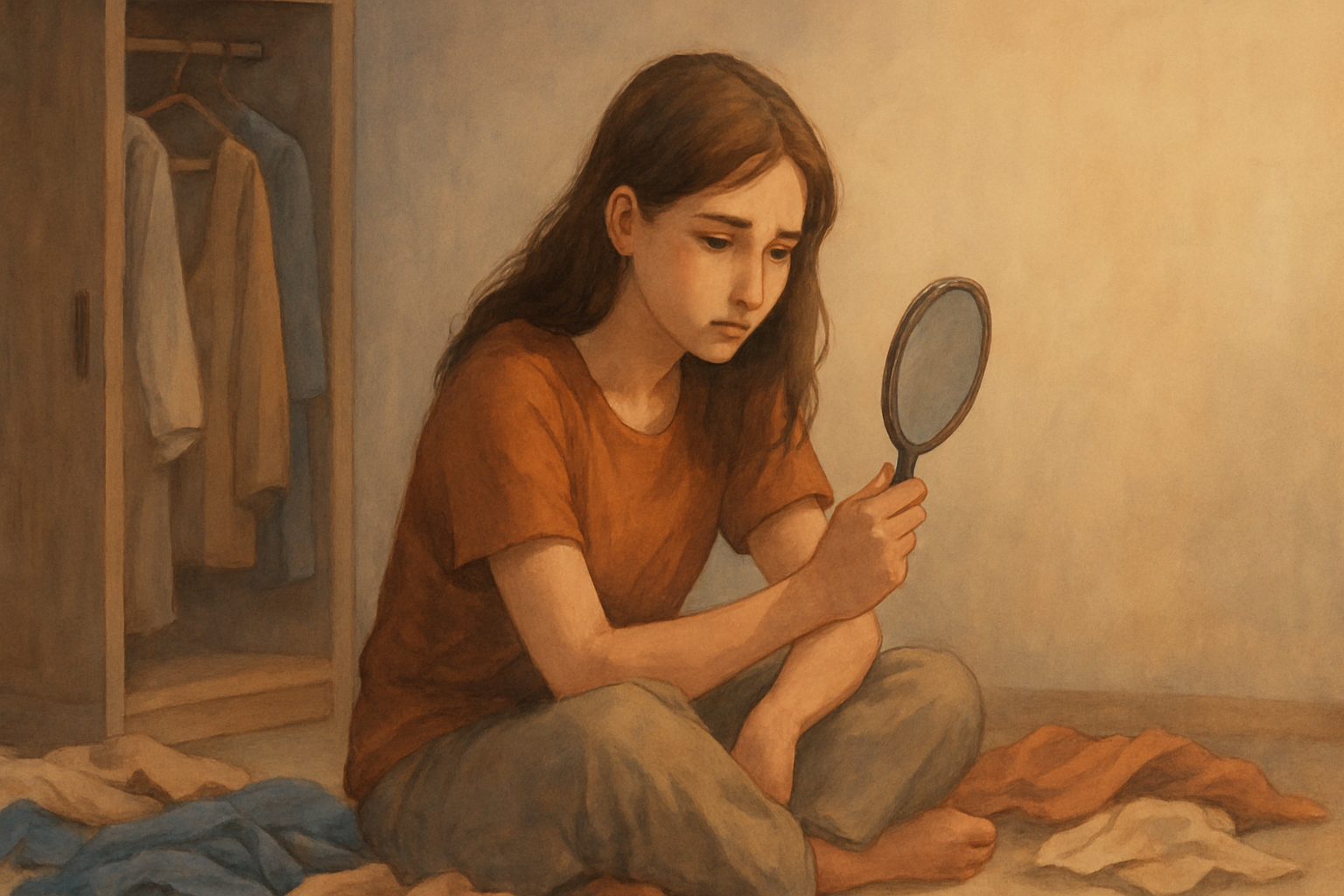
Inside, I felt tight, restless, and quietly resentful — though I didn’t want to admit that to myself.
I wasn’t exhausted because I was doing too much.
I was exhausted because I wasn’t listening to myself at all.
I would rest, but it didn’t feel restorative.
I would try to calm myself, but something still felt scattered.
Now I understand what was happening.
My energy was going everywhere — except towards me.
That’s not weakness.
That’s burnout at a deeper level.
I thought saying no would make me selfish
Somewhere along the way, many of us learn that saying no means you’re a bad person.
That you’re unkind. Unavailable. Difficult.
I carried that belief for years.
But slowly, through experience, I learned something important:
Saying no isn’t rejection.
It’s direction.
It’s your way of saying, “This doesn’t work for me right now.”
It’s choosing alignment over approval.
And surprisingly, when I started saying no from honesty instead of resentment, life didn’t punish me.
Things became clearer.
Some people adjusted.
Some connections faded.
And the ones that mattered stayed — often with more respect than before.
Overgiving wasn’t love — it was fear
This was uncomfortable to accept.
Most of my overgiving wasn’t coming from love.
It was coming from fear.
Fear of disappointing people.
Fear of being misunderstood.
Fear that if I stopped giving so much, I’d stop being valued.
But love that requires you to disappear isn’t love.
It’s a transaction.
You don’t need to exhaust yourself to be worthy.
You don’t need to earn rest.
You’re allowed to stop before you break.
What boundaries actually started to feel like
Boundaries didn’t make me cold.
They made me calm.
Physically, I started listening when my body said it was tired — the heaviness, the tension, the quiet urge to cancel.
That wasn’t laziness. It was intelligence.
Emotionally, I learned that I could care without carrying everything.
I could listen without absorbing.
Support without losing myself.
And energetically, before certain conversations or spaces, I began pausing. Breathing.
Just reminding myself that my energy belongs with me.
Not shut down.
Just contained.
That alone changed how drained I felt afterwards.
The guilt came — and then it passed
In the beginning, guilt showed up every time I said no.
My mind questioned me. Old patterns protested.
But guilt doesn’t mean you’re wrong.
It usually means you’re doing something new.
And over time, something surprising happened.
The guilt softened.
The clarity stayed.
I reached a place where I could say, calmly and without over-explaining,
“I can’t do that.”
And mean it.
Saying no didn’t make me a bad person
It made me a more honest one.
When I stopped giving out of obligation, what I did give came from truth.
My yes started to mean something again.
I felt steadier. More present. Less resentful.
And without trying to teach anyone, I started showing people what self-respect looks like.
One last thing I want to say — especially if this feels familiar to you:
You’re not meant to be available to everyone.
You’re meant to be aligned with yourself.
Saying no isn’t pushing life away.
It’s choosing what actually belongs.
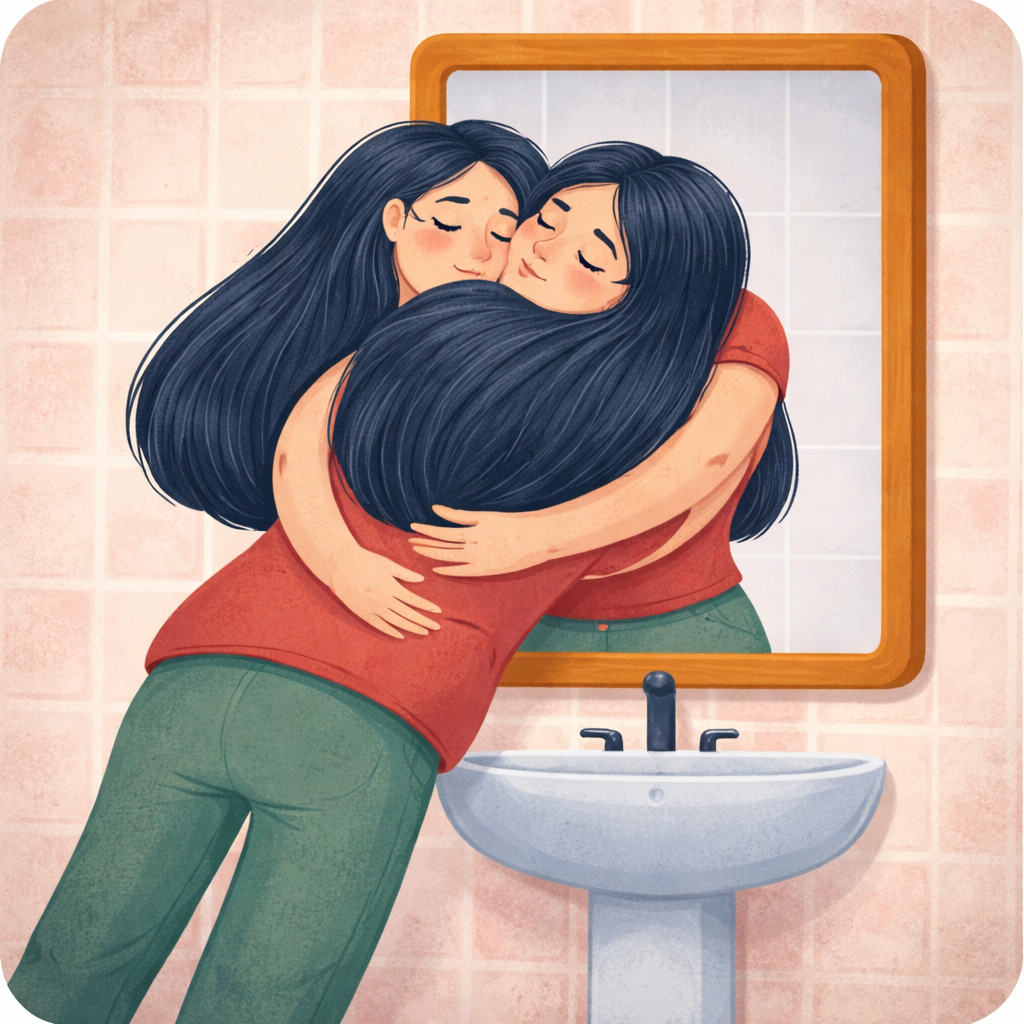
And when you choose yourself, you don’t become smaller.
You finally get space to breathe.