Around 15–20% of people are highly sensitive, which means we process stimuli more deeply because of differences in our nervous system. This comes with many advantages — being creative, observant, insightful, and having a strong sense of intuition, empathy, and resilience.
But it also means we can feel overstimulated much more easily. That’s where self-care plays a very big role.
Even if you don’t think of yourself as a highly sensitive person, you’ll still find some gems here — especially for those low-energy days.
This post is heavily inspired by the book The Highly Sensitive Person, which is an amazing resource. A lot of this is also based on my personal experience — things I’ve been doing for years and genuinely find helpful.
As always, take what works for you and leave the rest.
1. Retreat
There’s a self-test in the book that asks:
“I find myself needing to withdraw during busy days, into bed or into a darkened room or any place where I can have some privacy and relief from stimulation.”
I laughed out loud when I first read that — because that is literally what I do.
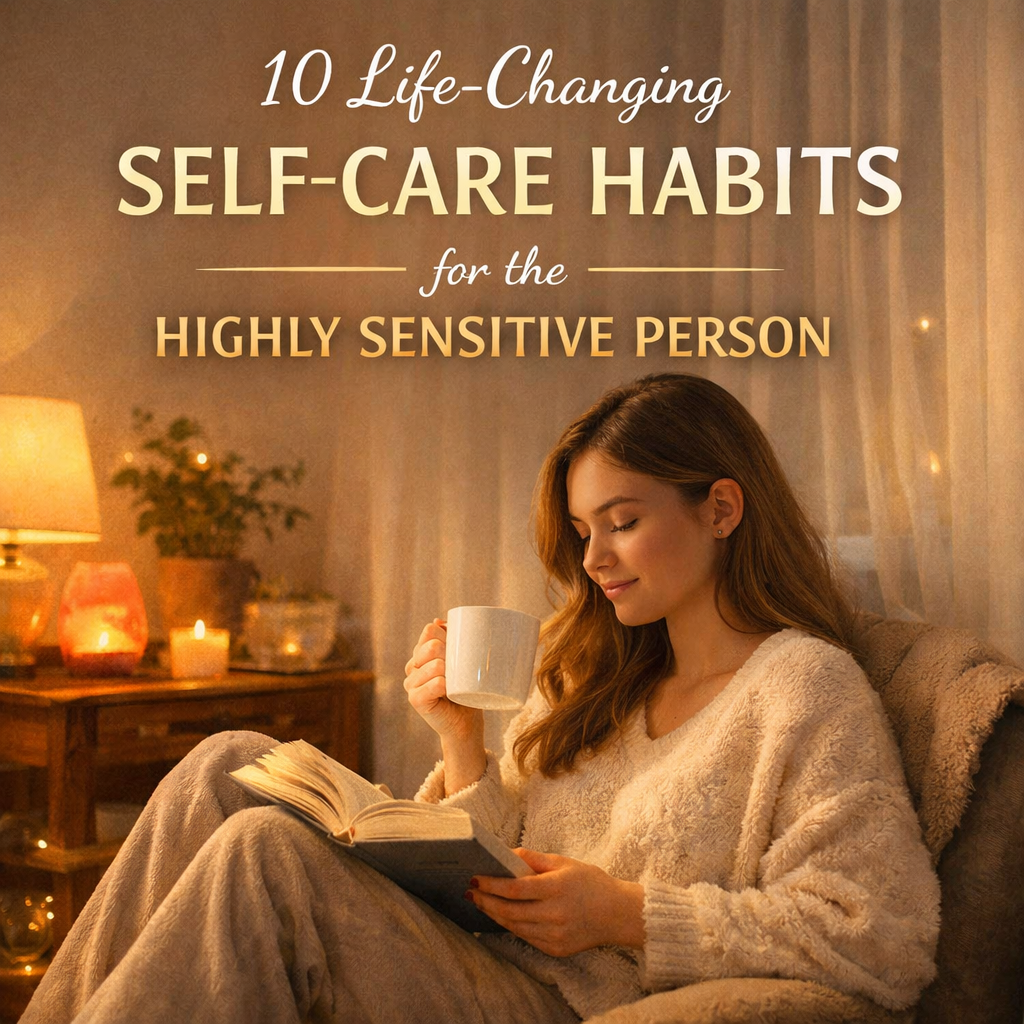
I go into the bedroom, close the door, shut the curtains, turn on a soft, soothing light, maybe some calming music, and read a book or drink a cup of tea.
It works wonders.
This isn’t strange — it’s actually how HSPs recover from overstimulation. We may get overwhelmed faster, but we also recover beautifully when we give ourselves time.
Instead of pushing this need away, try honoring it.
When I worked in an office, I’d sometimes take a “bathroom break” just to be alone. Or I’d sit in a quiet corner of the cafeteria to decompress for a few minutes.
2. Take a Healing Shower or Bath
There’s something deeply healing about water.
Drinking a glass of water when emotional, walking by a lake, or taking a shower or bath — all of this helps.
For me, this is the ultimate self-care activity on low-energy days.
Research shows that bathing can activate the parasympathetic nervous system, responsible for relaxation. It slows the heart rate, lowers blood pressure, and supports digestion.
If you’ve ever noticed yourself sighing in the shower — that’s your body letting go.
Every once in a while, take a shower or bath where you’re not doing anything productive. No washing hair, no shaving — just enjoying the warmth, steam, and quiet.
It’s surprisingly magical.
3. Gentle and Joyful Exercise
Exercise is important for everyone — including HSPs. It reduces overwhelm, builds resilience, and lowers high cortisol levels.
Many HSPs grow up hating exercise because of PE classes — loud, chaotic, uncomfortable, and overwhelming. I used to get stomach aches every time PE came around.
Now? Exercise is one of the best things I do for my mental, physical, and emotional health.
The key is gentle and joyful movement — nothing that depletes you.
Walking (especially in nature), yoga, light strength training, dance workouts — anything enjoyable and doable.
You can explore your boundaries, but you never need to cross them. Punishing your body only leads to long recovery times and more stress.
Work with your body, not against it.
4. Take Care of Your Home Environment
Clutter and mess can increase stress — and this is often even more true for HSPs.
Highly sensitive people are more responsive to details in their environment. This trait exists across many species and plays a role in survival — we pause, observe, and process before acting.
For me, decluttering is self-care. I started simplifying my space long before I knew the word “minimalism,” simply because clutter overwhelmed me.
A calm, serene home helps HSPs relax, let their guard down, and decompress.
If your entire home feels like too much right now, start with one calming space — a refuge you can return to when overstimulated.
5. Kangaroo Care (Yes, for Adults Too)
Because we process deeply, we also tend to overthink. This makes it important to move awareness from the head into the body.
This can be gentle stretching, breathing on the floor, or my personal favorite — self kangaroo care.
Kangaroo care is skin-to-skin contact usually used with babies. It’s calming, grounding, and promotes regulation.
Touching your arms, resting your cheek on your shoulder — these simple actions can be deeply soothing.
This is about being with your body, not fixing it.
Non-productive, gentle presence matters more than you think.
6. Identify and Communicate Your Needs & Boundaries
People can’t know what we need unless we tell them.
Learn to check in with yourself regularly. When you need rest, help, or space — ask for it.
Boundaries can be tricky for HSPs because we dislike conflict and are highly attuned to others’ emotions. One thing that helped me was writing down my personal policies.
For example:
- Things I don’t do
- Non-negotiables (like keeping one weekend day free)
- Things I ask from others (like a heads-up before phone calls)
Think of it as a framework for protecting your energy.
7. Schedule White Space
White space is intentional empty time in your calendar — time to reflect, unwind, and breathe.
HSPs cannot move from one thing to the next endlessly. We need pauses to recenter.
This is why ideas often come in the shower — our brain finally gets a break.
Schedule white space in advance. It’s genuinely life-changing.
8. Power Up Your Sleep
HSPs are more affected by lack of sleep and take longer to recover from jet lag. Poor sleep and high cortisol often feed into each other.
Do your best to:
- Keep a consistent sleep schedule
- Darken and cool your room
- Avoid screens before bed
- Limit caffeine and heavy meals
- Move your body regularly
If you can’t sleep, try resting with your eyes closed without pressure. That advice helped me tremendously during burnout.
Also remember: rest isn’t just sleep. Fun matters too.
9. Charge Up Your Heart
Beautiful experiences affect HSPs deeply — and that’s a gift.
Art, music, books, nature, cooking, creativity, meaningful conversations — these things recharge you emotionally.
Even sensory moments like the smell of food or birdsong can feel nourishing.
Get small doses of beauty often.
10. Lower Cortisol (Without Stressing About Stress)
HSPs tend to produce cortisol more easily due to overstimulation — not because we’re fragile.
Helpful practices include:
- Pausing during conflict before continuing
- Planning ahead for stimulating environments
- Prioritizing sleep
- Breathing and meditation
- Laughing and having fun
- Eating nourishing foods (whole grains, fruits, vegetables, legumes — and yes, green tea)
Most importantly: don’t stress about being stressed. Stress is part of life. Do your best to care for yourself — that’s enough.
Final Thoughts
Life can feel overwhelming — especially with heightened sensitivity. But being sensitive doesn’t mean being weak.
There’s tough, and then there’s strong.
Highly sensitive people are incredibly strong.
Feel good about your sensitivity — it’s what makes you who you are.