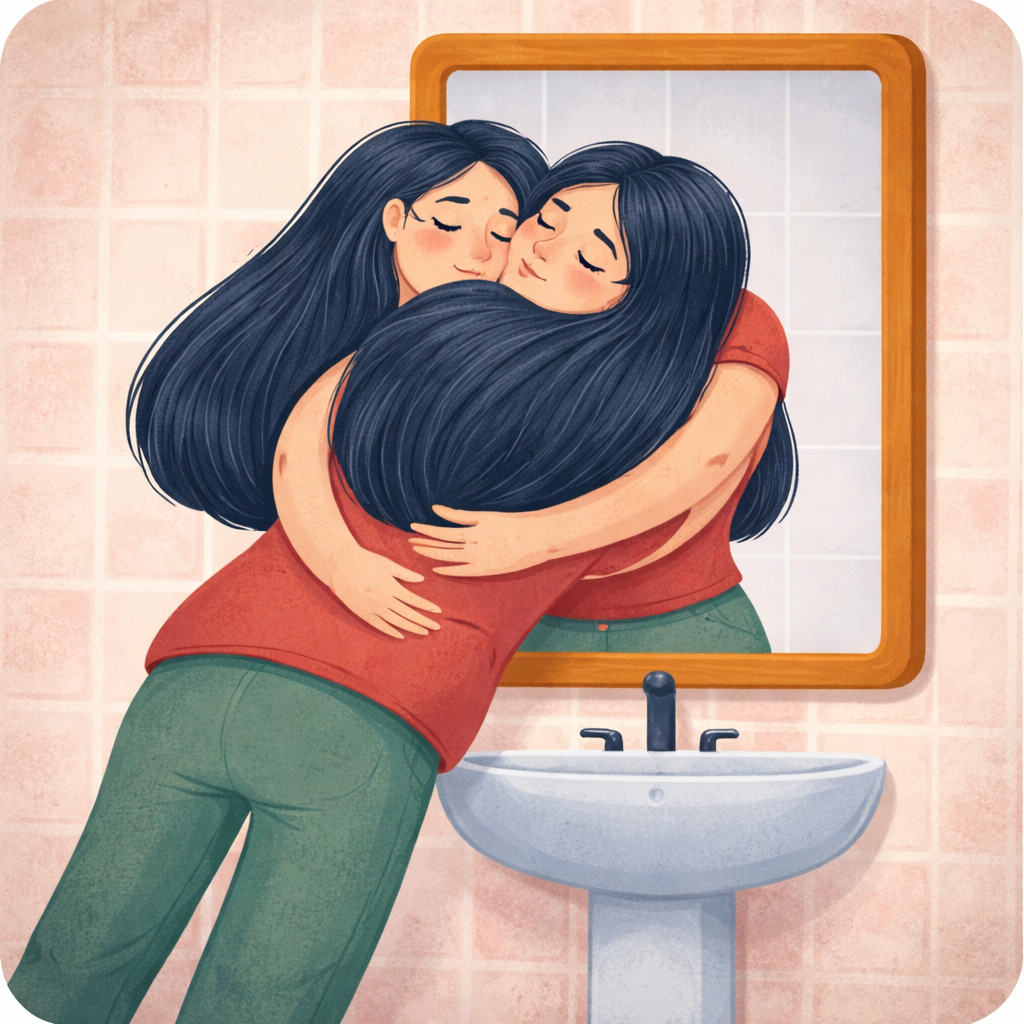

If you’re an introvert, mental and emotional exhaustion doesn’t always look dramatic.
You’re not crying every day.
You’re not breaking down in public.
You’re still “functioning.”
But inside? Something feels off.
You can feel tired even after rest.
Small things can feel heavy.
And the thought of “one more conversation” can make your chest tight.
Let’s talk about the real signs — that you are drained and how to recover from it.
1. Everyday Tasks Start Feeling Strangely Heavy
You’re not struggling with big goals.
You’re struggling with basics.
Replying to messages sits in your head for hours.
Cooking feels like a project.
Even showering gets delayed.
And the worst part is the self-talk:
“Why am I like this? This shouldn’t be hard.”
But the truth is — when your mental energy is low, nothing feels light.
What helps (in real life):
You stop treating the day like something to “get through.”
Instead of a mental checklist running all day, you decide something very specific, like:
“I’ll just cook once today.”
Or
“I’ll reply to only the messages that actually matter.”
The relief doesn’t come from productivity.
It comes from permission.
2. You Don’t Feel Sad — You Feel Blank
You’re not crying.
You’re not breaking down.
You’re just… emotionally offline.
Compliments don’t land.
Good news doesn’t spark much.
Bad news feels distant.
This numbness isn’t indifference.
It’s your system saying, “I’ve felt enough for now.”
What helps (without forcing emotions):
You don’t try to “process feelings.”
You sit by a window with tea and let your mind wander.
You play the same old song you’ve heard a hundred times — not to feel something new, but something familiar.
You write one honest line in a notebook, like:
“Today felt muted.”
That’s it.
Emotions don’t need interrogation.
They need safety.
3. Small Things Start Irritating You More Than They Should
A repeated question feels invasive.
Background noise feels unbearable.
Someone needing your attention feels like too much.
You start wondering if you’ve become an angry person.
You haven’t.
Your emotional buffer is just thin.
What helps (before you say something you regret):
You give yourself a physical exit.
You step into the bathroom.
You wash your hands slowly.
You take a few deep exhales while looking anywhere except a screen.
When you come back, you respond shorter. Cleaner. Less emotionally loaded.
Irritation softens when it’s listened to instead of judged.
4. Being Alone No Longer Feels Restful
This one is confusing, because solitude is usually your reset button.
But now, even when you’re alone, your mind doesn’t settle.
You scroll without interest.
You feel restless in your own space.
This isn’t “needing more alone time.”
It’s emotional saturation.
What helps (counterintuitively):
Not isolation — safe contact.
One person you don’t have to explain yourself to.
A call where silence isn’t awkward.
A walk where you talk about nothing important.
Not social energy.
Regulating energy.
5. Your Sleep Loses Its Rhythm
You’re exhausted all day.
But the moment you lie down, your mind starts replaying conversations, tasks, worries.
Or you sleep long hours and still wake up tired.
Your body wants rest.
Your nervous system hasn’t switched off.
What helps (beyond “sleep routines”):
You empty your mind before bed.
You write down everything unfinished — even tiny things like “reply to that message” or “buy groceries.”
Not to plan.
Just to reassure your brain that it won’t forget.
The mind rests better when it’s trusted.
6. You Start Overthinking Everything You Say and Do
A conversation replays in your head.
A small decision feels enormous.
When you’re mentally drained, perspective collapses.
Everything feels urgent. Personal. Loaded.
What helps (in the moment):
You ask yourself quietly:
“Is this actually happening right now?”
If the answer is no, you shift attention to something physical —
your feet on the floor,
the weight of your body,
the sound of a fan or traffic outside.
The mind calms down when the body feels grounded.
7. Things That Once Comforted You Stop Working
Books don’t hold your attention.
Music feels distant.
Even journaling feels like effort.
You might worry that you’ve lost interest in yourself.
You haven’t.
Your system is conserving energy.
What helps (without forcing joy):
You reduce the demand.
One page, not a chapter.
One song, not a playlist.
A five-minute walk, not a full routine.
Pleasure returns when it isn’t chased.
8. Your Body Feels Heavy, Tight, or Achy
Your shoulders stay tense.
Your jaw stays clenched.
There’s a low-grade heaviness you can’t explain.
Emotional exhaustion doesn’t stay emotional.
It settles into the body.
What helps (gently):
You stop treating your body like something to “push through.”
You stretch before bed.
You take warm showers without rushing.
You rest without justifying it.
The body softens when it feels respected.
9. The Thought “I Can’t Do This Anymore” Keeps Appearing
This thought isn’t dramatic.
It’s not a crisis line.
It’s your inner limit speaking honestly.
What helps (and actually changes something):
You stop carrying it alone.
You send one message that says, “I’m not okay.”
You book a session.
You sit with someone who doesn’t rush you into solutions.
Relief often begins the moment you stop pretending you’re fine.
How You Begin to Come Back to Yourself
Not through fixing.
Through softening.
You protect quiet without guilt.
You unplug more than you explain.
You say no earlier.
You choose one thing a day that restores you — not impresses anyone.
Rest isn’t a reward.
It’s maintenance.
A Quiet Truth to End With
If this felt familiar, nothing is wrong with you.
You’re not weak.
You’re not failing.
You’re tired in a world that rarely pauses — and self-aware enough to notice.
As an introvert, your energy is not endless.
Protecting it isn’t selfish.
It’s how you stay whole.
Related Post: